
Planning Landscaping SEO Around Calgary's Changing Seasons
Landscaping demand does not arrive evenly. Homeowners start thinking about their yards while snow is still on the ground, but the work cannot begin until the ground thaws. This strategy example looks at how a Calgary landscaping company could plan its website around that rhythm and measure results without being fooled by the seasons.
Let's Talk About Your Business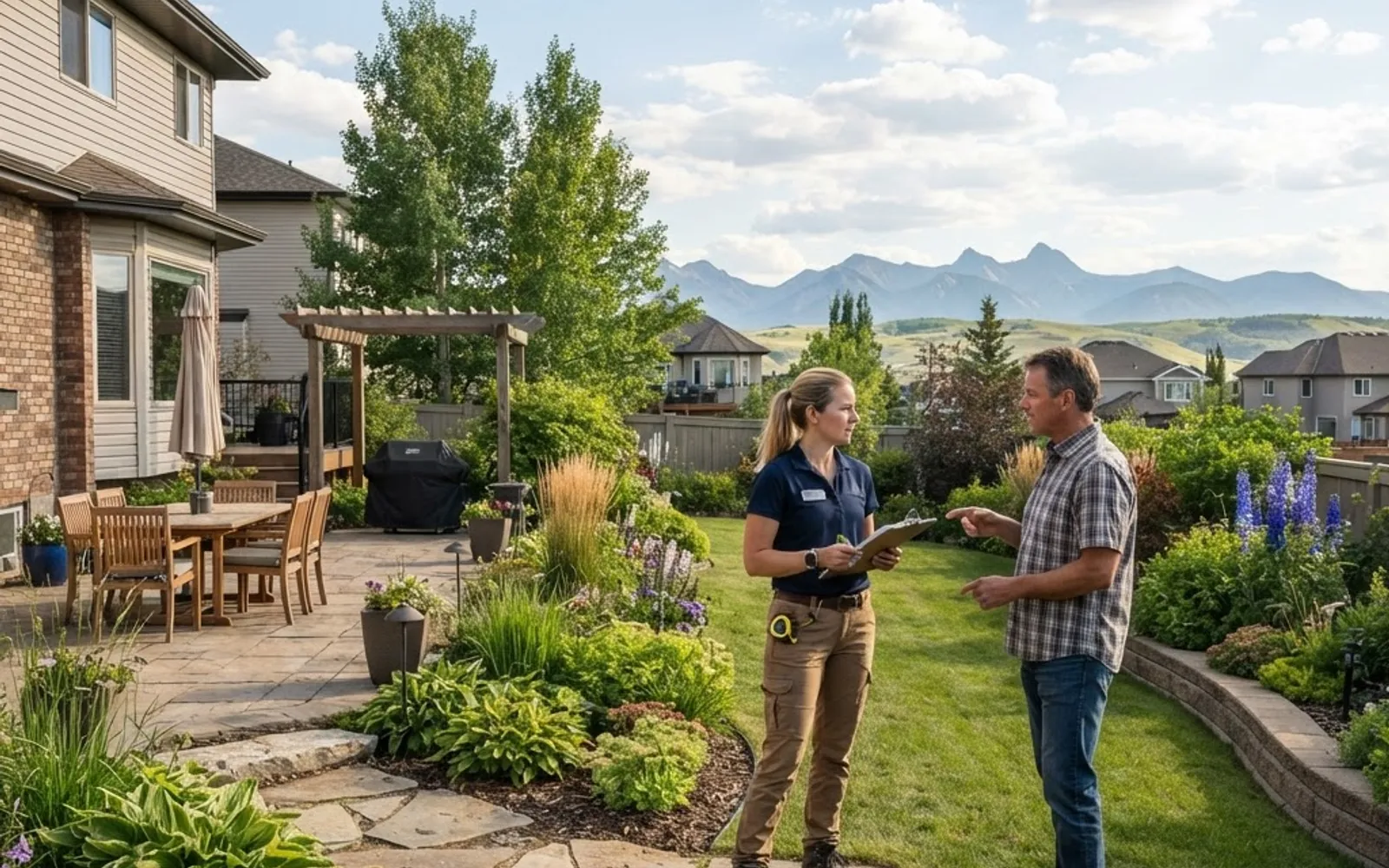
This is an SEO strategy example, not a client case study. It describes how we would approach this type of business. It does not report results, and the image is illustrative.
Project Overview
- Business type
- Residential landscaping company
- Location
- Calgary, Alberta
- Objective
- Steadier, better-prepared project enquiries across the year
- Services involved
- Seasonal content planning, Service page structure, Enquiry form alignment, Reporting and analysis
Planning a Yard in February
It is late winter, and a homeowner is looking out at a bare backyard under snow. They would like a patio and some planting beds this summer. They have no idea how far in advance contractors book up, what design involves or when anything can actually be built.
If they search now and find a landscaping company that explains its design process, gives a realistic picture of timing and invites early enquiries, they may book a consultation months before the work starts. If they only find pages written for May, they may wait, and by May the best slots could be taken elsewhere.
A Business That Runs in Waves
Enquiries tend to surge in spring and ease off later, while project planning begins earlier. A website that only addresses the busy moment misses the quieter weeks when homeowners are researching and comparing.
Reporting adds a second problem. A comparison of this month's enquiries with last month's will almost always show a large swing, and it will mostly reflect the calendar rather than anything the company did. Without careful comparison, it is easy to credit, or blame, SEO for what is just seasonality.
The Approach We Would Take
Our approach would be to publish the right information ahead of demand and to build reporting that compares like with like.
Separate installation from ongoing maintenance
Design-and-build projects and recurring maintenance are different purchases with different timelines. They would have separate pages, forms and expectations, so a homeowner planning a new patio is not asked the same questions as one wanting a regular lawn service.
Publish seasonal information before demand peaks
Guides on planning a project, what the design stage involves and when different kinds of work can begin would be prepared and published ahead of the season. Content is more likely to be found and trusted when it is already in place as interest builds.
Make services and project examples genuinely useful
Service pages would describe what is included, how decisions are made and what homeowners need to prepare. Project examples would explain the starting point and the choices made, using only work the company can verify and has permission to show.
Align forms with actual booking windows
Enquiry forms would ask about preferred timing and say plainly when consultations and installations are typically scheduled. Setting honest expectations reduces frustration and helps the company plan its calendar.
Separate seasonal change from SEO change
We would record what is expected in each season and judge performance against the same period in earlier years, not against the previous month.
Local Context: Calgary's Climate
Calgary's growing season is shaped by late spring snow, quick temperature changes and sudden storms, and homeowners often ask which plants and materials cope best. Any advice on the site would come from the company's own experience and recommendations. We would not publish planting dates or climate claims the team has not confirmed.
How We Would Measure Success
We would compare equivalent periods rather than consecutive months, and where the company has records from previous years we would use them as the reference point.
- Enquiries by season and service: Installation and maintenance enquiries, split by the time of year they arrive.
- Qualified project requests: Requests with a realistic scope, location and timeline for the company to take on.
- Year-over-year organic trends: Organic search visits and enquiries compared with the same period in the previous year.
A strong spring after a quiet winter does not by itself prove anything. A stronger spring than the previous one, with similar conditions, tells us far more.
Practical Lessons for Similar Businesses
- Publish planning content before the busy season, not during it.
- Give installation and maintenance their own routes.
- Compare like periods. Month-to-month figures mislead in seasonal trades.
- Tell people honestly when work can start.
Frequently Asked Questions
See how we support businesses with Calgary SEO
Related services: Content strategy · Local SEO services · SEO for landscaping companies
Related strategy example: Helping Nanaimo Homeowners Find the Right Plumber When They Need One. A related strategy example about matching content to customer urgency and timing.