
Helping Nanaimo Homeowners Find the Right Plumber When They Need One
A burst pipe and a bathroom renovation both involve a plumber, yet they begin in completely different ways. This strategy example looks at how a Nanaimo plumbing company could separate urgent calls from planned work, so each kind of customer finds a clear route to the right conversation.
Let's Talk About Your Business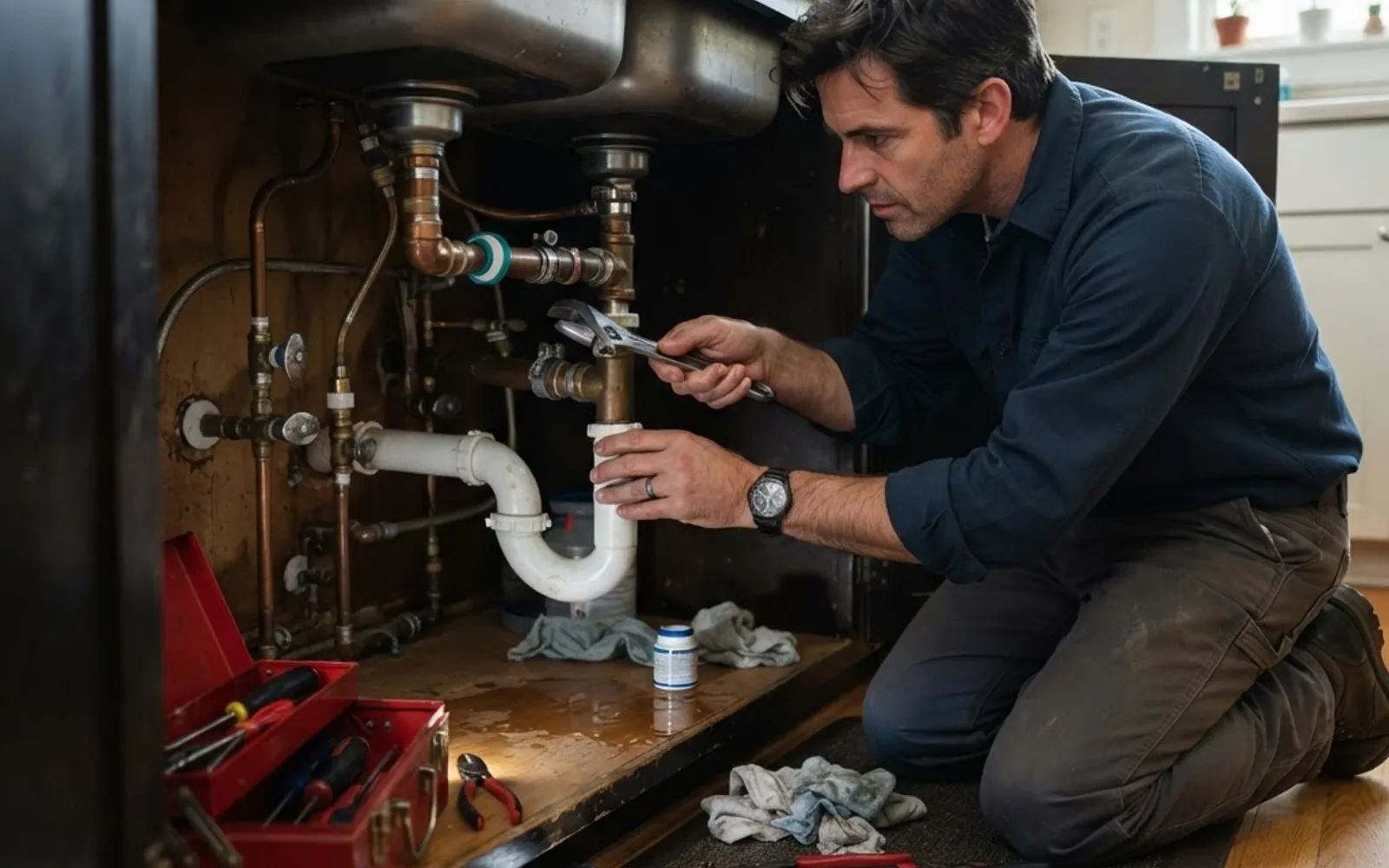
This is an SEO strategy example, not a client case study. It describes how we would approach this type of business. It does not report results, and the image is illustrative.
Project Overview
- Business type
- Residential plumbing company
- Location
- Nanaimo, British Columbia
- Objective
- More qualified calls and service enquiries, from both urgent and planned work
- Services involved
- Local SEO, Google Business Profile alignment, Service page content, Call and enquiry tracking
Two Searches, One Plumber
At 6:40 on a weekday morning, a homeowner notices water spreading beneath the kitchen sink. They search on a phone, tap the first number that looks available and hope for a person on the other end. They want to know one thing: can someone come today?
A few streets away, another homeowner has spent months thinking about a bathroom update. They are reading about fixtures, comparing options and wondering what the work involves. They want information, and they might fill in a form tomorrow.
Same trade, different urgency, different questions. A website that treats both visitors the same way serves neither of them well.
Why One Enquiry Route Rarely Works
When there is one generic contact page, the urgent customer has to scroll and read before they can call, and the planning customer feels rushed into a conversation they are not ready for. Both can give up and move on to a competitor.
There is a measurement problem too. Not every phone call is a lead. Some are wrong numbers, suppliers, job applicants or people outside the service area. If every tap on a phone number is counted as a lead, results look better than they are, and it becomes impossible to see which pages and searches bring in real work.
The Approach We Would Take
Our approach would be to build two clear routes and make everything around them consistent.
Separate urgent repairs from planned work
We would create distinct pages and navigation for each. The urgent page would lead with the phone number and a plain statement of availability. The planned-work page would lead with information, examples and a short form. We would include only safety guidance the company is comfortable giving, such as how to find the main shut-off valve.
State coverage and availability honestly
The site would say where the company works and when it can respond. If emergency service is not available around the clock, we would say so. Overpromising produces frustrated customers and poor reviews, which hurt more than a clearly stated limit.
Make calling effortless on mobile
The number would be tap-to-call, visible without scrolling and not tucked behind a menu. Most urgent searches happen on a phone, so this is not a refinement. It is the main conversion path.
Keep the Google Business Profile and website consistent
Business name, telephone number, hours, service areas and service categories should match everywhere. The profile's listed services would point to matching website pages. Inconsistencies erode trust with customers and can confuse local search.
Write service pages around symptoms and decisions
Rather than listing "plumbing services", we would write pages that start where the customer starts: a water heater that is not heating, low water pressure, a toilet that keeps running. Each would explain likely causes, when to call, the options and what happens during a visit, without quoting prices the company has not approved.
Local Context: Nanaimo and Nearby Communities
Customers may search from areas outside the city boundary, so coverage statements matter. We would name nearby communities only if the company genuinely serves them. Seasonal pages, such as those about cold snaps or heavy autumn rain, would be based on the company's own job history rather than assumptions about what homeowners worry about.
How We Would Measure Success
Success would be defined before any changes were made, including what counts as a qualified call. We would set up call tracking with a minimum duration and a simple way for staff to classify calls as new work, existing customer, wrong number or out of area.
- Qualified calls: Calls classified as genuine new-work enquiries, not every tap on the phone number.
- Service enquiries: Form submissions, split between urgent and planned work.
- Local search visibility: Google Business Profile actions and visibility for core services across the real service area.
Together these would show not just whether activity went up, but whether the calls and forms are the kind the company wants.
Practical Lessons for Similar Businesses
- Urgent and planned customers need different pages, not just different headings.
- Say plainly when you can respond. Honesty prevents bad reviews.
- Count qualified calls, not phone taps.
- Keep your profile and website identical in name, number and services.
Frequently Asked Questions
See how we support businesses with Nanaimo SEO
Related services: Local SEO services · Google Maps optimisation · SEO for plumbing companies
Related strategy example: Connecting Edmonton Scrap Metal Searches With the Right Collection Service. Another strategy example that separates two types of customer into their own enquiry paths.